


Blog
What Does a Solar Inspection Include? A Homeowner’s Guide
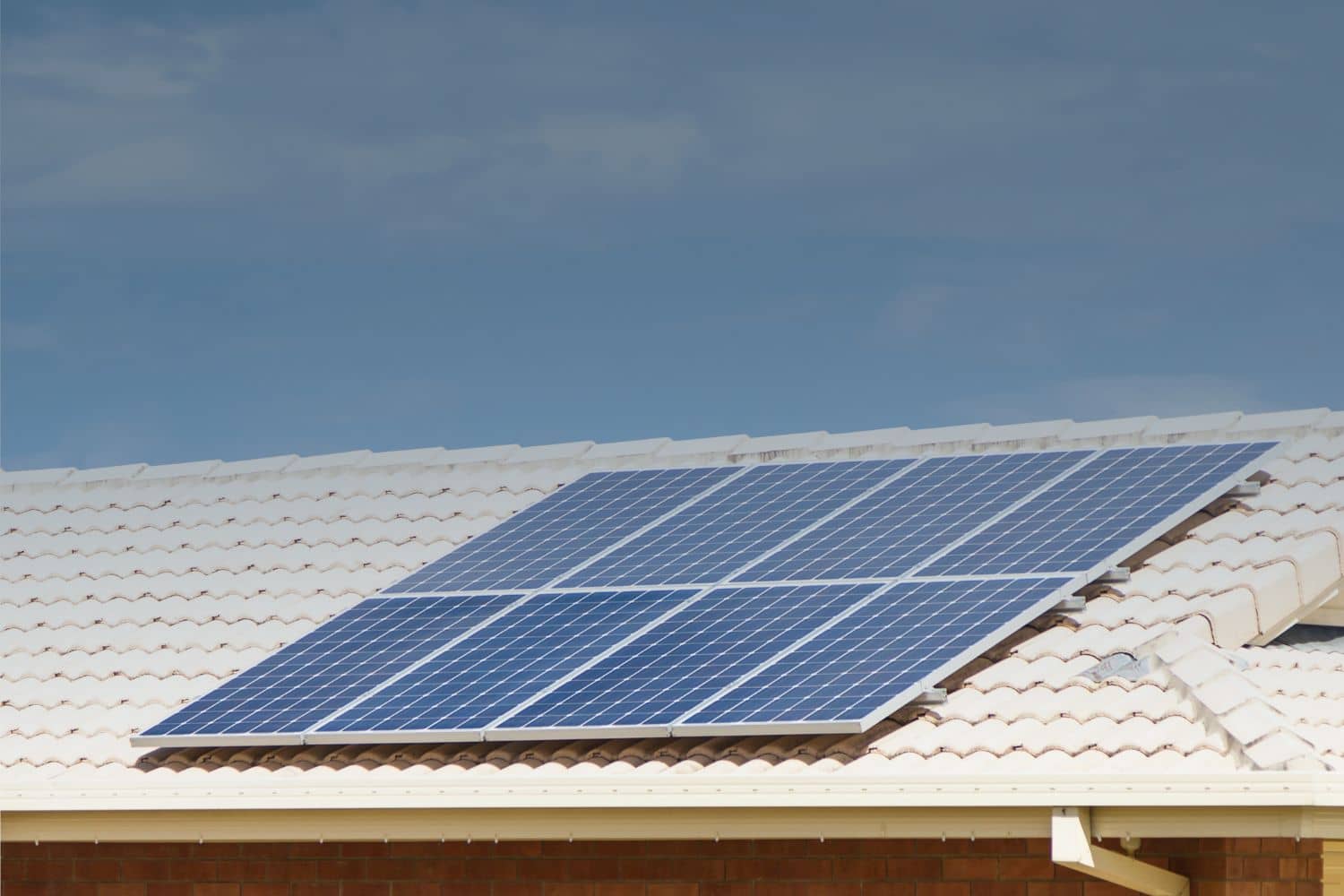
A solar inspection is primarily a visual review of accessible components of a rooftop photovoltaic system. It can identify visible defects, installation concerns, and conditions that may warrant further evaluation by a qualified solar contractor or electrician. Maybe you’re buying a home with solar already on it. Maybe you’re selling, or your energy bill just crept up. A solar inspection gives you a clear picture before small problems turn into expensive ones. At Orange and South Coast Property Services, we’ve inspected homes across Orange County and San Diego for more than 38 years. Solar has become one of the most common add-ons we’re asked to check, especially on homes going through a sale. Here’s what a solar inspection covers, when you need one, and what it costs.
What Inspectors Check During a Solar Inspection
A solar inspection covers the parts of the system an inspector can safely see and reach: the panels, the mounting system, the wiring, and the inverter. Most inspectors won’t climb onto a steep or wet roof. Some areas get checked from a ladder, from the ground with binoculars, or with a drone.
This is a visual inspection of accessible components, with observation of readily available system indicators where applicable. It’s meant to catch visible defects and safety issues, not measure exact power output.
Solar Panels
Inspectors look at visible and accessible portions of the array/panels for visible cracked glass, discoloration, damaged or loose components, and other readily observable defects. When thermal imaging is included in the inspection, it may reveal temperature anomalies that are not visible to the naked eye. A small crack can let moisture in and shorten a panel’s life. It gets flagged even if it looks minor. Panels that sit loose or uneven may not be secured to the mounting rails the right way.
Mounting and Roof Attachments
The mounting and racking system secures the array to the roof structure. Inspectors look for visible loose, displaced, damaged, or improperly installed components and signs of problems around accessible roof attachment points. They also inspect visible and accessible attachment areas and surrounding roofing for signs of improper installation, deterioration, or moisture intrusion. Cracked sealant or lifted flashing near these spots is a common finding.
A poorly sealed penetration can cause a roof leak long before the solar equipment itself fails, which is one reason a roof inspection is often worth pairing with a solar check.
Wiring and Conduit
Solar wiring runs from the panels to the inverter, usually along the roofline and down an outside wall. Inspectors look for visible signs of wear or damage, exposed conductors, loose or unsupported conduit, cracked or brittle insulation, and components that appear improperly secured. This is a visual check for observable condition issues, not a code-compliance inspection; a licensed electrician or solar technician should evaluate the system if problems are found. In Southern California, years of direct sun can make conduit and wire jackets brittle faster than in cooler climates.
Inverter and Disconnects
The inverter turns the DC power from your panels into the AC power your home uses. It’s a key stop on any solar inspection. Inspectors check the inverter’s condition, its location, and any warning lights or error codes on the display. Inspectors do not open or dismantle inverter equipment or perform internal electrical diagnostics as part of a standard visual inspection.
A blinking light or fault code is often the first sign that something needs attention, even before your power bill changes. Inspectors also check the visible disconnect switches. These let a solar system shut off safely during an emergency or repair.
Labeling and Safety Markings
Photovoltaic installations are subject to electrical warning, identification, disconnect, and rapid-shutdown marking requirements that vary with the applicable code edition and system configuration. Inspectors may report missing, damaged, or illegible readily visible markings and recommend further evaluation when appropriate.
Know Your Rights as a California Solar Homeowner
California has strong consumer protections for solar buyers, and it’s worth knowing about them even if you’re not the one who signed the original contract. The California Public Utilities Commission’s Solar Consumer Protection Guide (Version 4, 2025) covers what a solar purchase contract must include and how to spot red flags from an installer, useful background if you’re buying a home with existing solar, though it addresses the purchasing and installation process rather than the technical scope of a resale home inspection.
If repairs are recommended, verify through the Contractors State License Board that the contractor holds an active license with a classification appropriate for the work being performed.
If your inspection turns up work that needs a licensed contractor, checking their CSLB license only takes a few minutes. It can save you from a costly mistake.
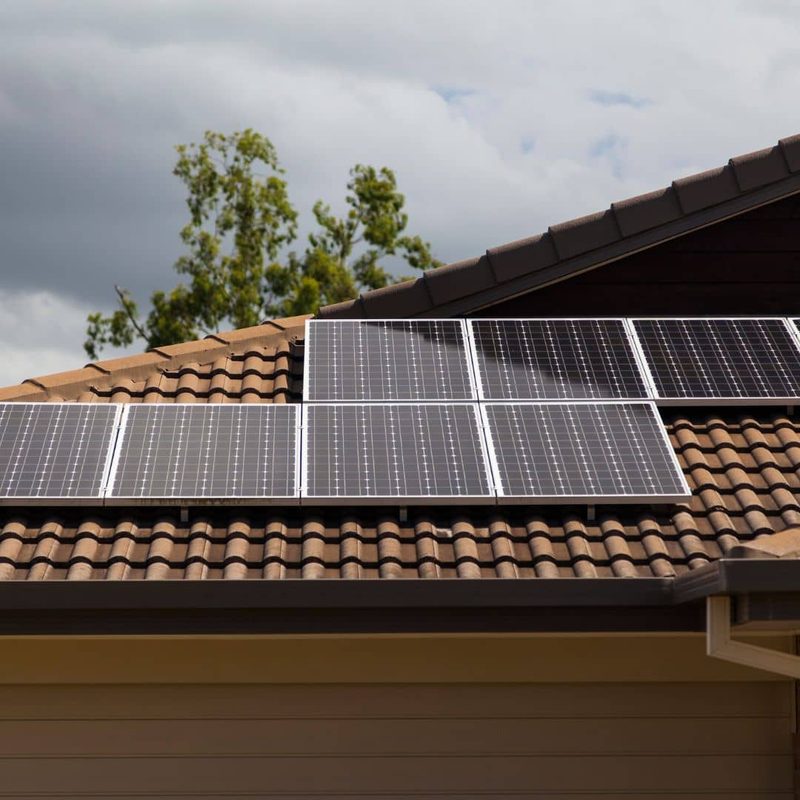
How to Prepare for a Solar Inspection
A little prep makes the visit go faster and gives the inspector more to work with.
- Gather your solar paperwork before the inspection. This includes the installation permit (which confirms the system was reviewed and signed off by your local building department), warranty documents, interconnection paperwork from your utility, and any monitoring history. These records give the inspector helpful context on the system’s age and history, though confirming permit compliance itself isn’t part of the inspection since the inspector’s findings are based on the physical condition observed on-site.
- Clear access to the electrical panel and inverter. Move furniture, storage, or plants that block these areas.
- Note anything unusual. Write down error messages, recent production drops, or odd sounds. This helps the inspector know where to focus.
- Provide access to the attic where applicable so readily visible portions of related wiring and roof conditions can be observed.
None of this is required. It just helps the inspector give you a more complete report on the first visit, and it can shorten how long the appointment takes.
When You Should Schedule a Solar Inspection
A solar inspection makes the most sense at a few specific points in the life of a home.
- Buying a home with existing solar. Panels installed by a past owner may be years old, and you won’t know their physical condition until someone checks them. A pre-purchase solar inspection can tell you about the equipment’s condition, but it won’t cover everything you’re taking on. Separately from the inspection, find out whether the system is owned outright, financed, leased, or under a power purchase agreement (PPA), and review the transfer requirements, warranty status, and any liens or UCC filings tied to it before you close.
- Selling a home with solar. A pre-listing inspection lets you fix visible issues ahead of time, instead of getting surprised during the buyer’s inspection period.
- After a storm or major roof work. High winds, heavy rain, or a recent roof repair near the array are all good reasons to have the system rechecked.
- If monitoring shows reduced production or the inverter reports a fault, a visual inspection may identify obvious contributing conditions. Performance or electrical faults may require diagnostic testing by a qualified solar contractor or electrician..
- Routine maintenance. Systems that haven’t been checked in several years benefit from a periodic look, even with no obvious problems.
- Before filing an insurance claim. If a storm or falling debris damages your roof or panels, a documented inspection report can support your claim and give your insurer clear proof of the damage.
What a Solar Inspection Costs and How Long It Takes
Pricing varies based on array size, roof configuration, accessibility, inspection scope, and whether the solar inspection is performed as part of a full home inspection. Larger systems, steep or multi-story roofs, and hard-to-reach inverters can push the price higher, since they take more time to check safely. Many inspections can be completed within one to two hours on-site, though the actual time depends on the size and complexity of the system, plus additional time afterward for the written report with photos.
If a solar inspection is bundled with a full home inspection, like a pre-purchase or pre-listing inspection, the added cost is often lower than booking it separately. Ask your inspector if solar can be added to an existing appointment. It usually saves both time and money.
Common Problems Found During Solar Inspections in Southern California
Southern California systems are exposed to prolonged UV, heat, wind, and—in coastal locations—salt-laden air, all of which can contribute to deterioration of exposed components over time. Here are some of the most common findings on local inspections.
| Issue | What It Looks Like | Why It Matters |
|---|---|---|
| Sun-damaged wiring | Cracked, brittle, or discolored insulation | UV exposure and heat wear down wire jackets faster than in milder climates |
| Loose mounting hardware | Visible displacement, uneven alignment, loose or missing accessible hardware, or other indications of movement | Can lead to panel damage or roof penetration issues in high wind |
| Signs of moisture intrusion near array/attachment areas | Water stains near mounting points | May indicate failed flashing or sealant allowing moisture into the roof deck, though the source should be confirmed by a qualified roofing or solar professional |
| Inverter warnings | Error codes or blinking lights on the display | Often the first sign of a wiring or component issue |
| Missing or faded labels | Rapid shutdown placard missing or unreadable | May be required by the applicable electrical code/system configuration. |
Related Questions to Explore
What does a solar inspection include?
A solar inspection is a visual review of the panels, mounting hardware, wiring, conduit, inverter, and required safety labels. Most inspectors also check roof condition near the array, since roof and solar issues often overlap.
Can a home inspector test solar panel performance?
A standard home inspection does not normally verify rated system output or perform comprehensive photovoltaic performance testing. The inspector may observe accessible displays or monitoring information when included in the inspection scope. Suspected performance problems should be evaluated by a qualified solar contractor or electrician.
Should I get solar panels inspected before buying a home?
Yes. Buyers should have solar checked the same way they would any other major home system. Keep in mind that a physical inspection covers the equipment’s condition, not the contractual or financial obligations attached to it. Separately, ask the seller whether the system is owned outright, financed, leased, or under a power purchase agreement, and request the permits, interconnection documents, warranty paperwork, and any available production history so you understand what you’re taking on before you close..
How often should solar panels be inspected?
Most homeowners don’t need a formal inspection every year, and there’s no universal interval that applies to every system. As general guidance, it’s reasonable to have solar checked after storms, after roof work, or when production drops, with a periodic check-in every few years as routine maintenance. You should also follow any inspection or maintenance recommendations from your panel manufacturer or installer, since those can vary by system.
Can solar panels cause roof leaks?
Roof leaks associated with solar installations are more commonly related to roof penetrations, flashing, attachment details, existing roofing defects, or installation conditions than to the photovoltaic module itself.
Does homeowners insurance cover solar panel damage?
Coverage varies by policy, ownership arrangement, installation type, and cause of loss. Homeowners should confirm coverage directly with their insurer.
When to Call a Professional
A solar inspection can identify visible issues, but the inspector’s scope is limited to what can be observed without opening or dismantling equipment. Findings such as suspected electrical defects, inverter faults, damaged conductors or connectors, grounding or bonding concerns, and performance problems should be referred to an appropriately licensed solar contractor or electrician for further evaluation and repair. This is especially true for anything involving the inverter’s internal components or the system’s electrical connections, which fall outside the scope of a visual inspection.
Electrical damage, exposed conductors, signs of overheating, arcing, or other apparent safety hazards warrant prompt professional evaluation. Other fault codes or performance concerns should be evaluated by a qualified solar professional. Our certified inspectors at Orange and South Coast Property Services check solar systems as part of home purchase, pre-listing, and standalone inspections throughout Orange County and San Diego, and we also offer thermal imaging to spot hidden hot spots a visual check alone might miss.
We’ll tell you plainly when something needs a specialist’s attention instead of guesswork.
Conclusion
A solar inspection is one of the easier ways to protect a system. It’s a small step that can catch a loose connection, a cracked panel, or a failing seal before any of it turns into a bigger repair bill.
If you’re buying, selling, or just due for a check, schedule a solar inspection with our team and get a clear, photo-documented report within 24 hours.
Disclaimer: A home inspection of a photovoltaic system is a visual, noninvasive inspection of readily accessible components and is not an engineering evaluation, electrical code-compliance inspection, commissioning test, or guarantee of system output. Conditions requiring specialized testing or repair should be evaluated by an appropriately qualified and licensed professional.